

You drank water before the run. You sipped water during the run. You finished with a full bottle in your hand. And somewhere around kilometre eight, your legs turned to bricks, your head started thumping, and your pace fell off a cliff. Sound familiar?
Welcome to summer in the UAE — a place where the air punches back, the asphalt radiates like a stovetop, and a sweat-soaked shirt is the standard issue uniform from May through September. Drinking water isn't a hydration strategy here. It's the first step in a much bigger equation. This guide breaks down everything UAE runners need to know about sweat, electrolytes, timing, and gear — with the math to back it up.
🔥 Summer Running in the UAE, By the Numbers
Sweat lost per hour in 40°C+ heat
Sodium in a single litre of UAE sweat
Body weight loss before performance crashes
For your body to acclimatise to the heat
💡 Why a "Bible"?
Most hydration advice is written for runners in temperate climates. The UAE is not a temperate climate. The protocols below are tuned for the kind of sweat losses, sodium losses, and recovery demands that a UAE runner faces in June, July, and August — and they work just as well for the rest of the year.
🧪 The Science: Why UAE Runners Lose So Much
Sweat is your body's air conditioner. When you run, your working muscles generate heat — a lot of it. The body releases that heat by pushing water onto your skin, where it evaporates and pulls warmth with it. In the UAE, three things conspire to make this system work overtime.
Brutal Ambient Heat
Summer highs regularly punch past 45°C. Pavement temperatures can hit 60°C. Your body has to dump more heat just to break even.
Coastal Humidity
Along the coast, humidity often tops 70–90% at dawn. Sweat can't evaporate efficiently — so you sweat more trying to cool down, and lose more fluid and salt in the process.
Heavy Salt Losses
Heat-acclimatised runners actually sweat saltier in the early weeks of summer. Sodium losses can easily exceed 1g per hour — far more than water alone can replace.
The combined effect: a 70kg runner doing an easy hour at dawn in July can lose two litres of fluid and three grams of sodium — and finish the run with a body weight that's already down 1.5%. Push past 2% and performance falls off measurably. Past 3% and you start flirting with real trouble.
📐 Calculate Your Personal Sweat Rate
Generic recommendations are a starting point. Your sweat rate is personal — driven by body size, fitness, heat acclimatisation, and even genetics. The good news: you can pin yours down in a single training session with a kitchen scale.
🧮 The 5-Step Sweat Rate Test
- Weigh yourself naked right before the run. Note the weight in kilograms (to one decimal place).
- Run for exactly 60 minutes at a typical training effort, in conditions similar to your usual run.
- Track every millilitre you drink during the run. A 500mL bottle finished = 0.5kg of fluid in.
- Towel off and weigh yourself again immediately after the run, naked.
- Apply the formula: Sweat rate (L/hr) = (Pre-weight − Post-weight) + fluid consumed in litres.
📊 Worked Example
A runner weighs 72.0kg before a one-hour run along JBR. She drinks one 500mL bottle during the run. She finishes weighing 70.6kg.
Sweat rate = (72.0 − 70.6) + 0.5 = 1.9 L/hr. To stay ahead of dehydration on future runs of similar intensity, she should drink around 600–800mL per hour and aggressively replace the rest after.
Typical UAE Sweat Rates
| Runner Profile | Conditions | Sweat Rate |
|---|---|---|
| Lighter runner, easy pace | 25°C dawn, low humidity | 0.7–1.0 L/hr |
| Average runner, threshold | 30°C, 60% humidity | 1.0–1.5 L/hr |
| Heavier runner, hard effort | 35°C, coastal humidity | 1.5–2.2 L/hr |
| Any runner, peak summer | 40°C+, midday | 2.0–2.8 L/hr |
⚡ The Electrolyte Equation
Sweat isn't just water — it's a cocktail of minerals your body needs to function. When you lose electrolytes faster than you replace them, the wheels come off: cramps, headaches, nausea, foggy thinking, and a heart rate that climbs out of proportion to your effort. Three minerals do most of the heavy lifting.
Sodium (Na+)
The most critical electrolyte for runners. Drives fluid balance, nerve signals, and muscle contractions.
Target: 400–700mg per hour for runs over 60 minutes in the heat. Heavy sweaters and salty sweaters can push past 1,000mg/hr.
Potassium (K+)
Works with sodium to manage fluid inside your cells. Lost in smaller amounts than sodium, but essential for preventing cramps.
Target: 150–300mg per hour. A banana, a glass of coconut water, or most sports drinks will cover it.
Magnesium (Mg2+)
Supports muscle relaxation and energy production. Deficiency is linked to night cramps and disrupted sleep — both common in heavy-training UAE summers.
Target: Daily intake matters more than during-run dosing. 300–400mg/day from food or supplement.
⏱️ Your 24-Hour Hydration Timeline
Race-day mornings in the UAE start with you already on the back foot — overnight humidity, AC dehydration, and a body that hasn't drunk anything in eight hours. The runners who feel strong at kilometre fifteen are the ones who started their hydration the day before.
Sip throughout the day
Aim for pale-yellow urine all day. 35mL per kg of body weight is a sensible baseline — more if you're active.
Front-load with salt
500–600mL of fluid with a pinch of salt or a salty snack. Salt helps you hold the fluid instead of peeing it out.
Top up, don't flood
200–300mL of an electrolyte drink. Stop drinking 15 minutes before you start — that gives you time to pee out anything unnecessary.
Drink to thirst — with a floor
For runs under an hour, water is usually fine. Past 60 minutes in the heat, take in 400–800mL/hr with electrolytes. Don't wait until you're thirsty — by then you're already down 1–2%.
Weigh in, drink back
Every kilogram of weight lost = 1.5 litres of fluid you need to replace over the next four hours. Add sodium — plain water alone can backfire.
Refuel the engine
Pair fluids with a salty, carb-heavy meal. The combination of glucose and sodium in your gut is what actually pulls water back into your cells.
🏃 Hydration by Distance — The Quick Strategy
If you only remember one thing, remember this table. Tape it to your fridge.
| Distance | Before | During | After |
|---|---|---|---|
| 5K | 200mL, 30 min prior | Nothing needed | 500mL with electrolytes |
| 10K | 300mL with pinch of salt | 200mL halfway, optional | 750mL with electrolytes |
| Half Marathon | 500mL + electrolytes, 90 min prior | 150mL every 15–20 min + sodium | 1L+ over 4 hours, salty meal |
| Marathon | 24h pre-loading + 500mL morning of | 150–250mL every 5K + 400–700mg sodium/hr | Match weight loss x 1.5 over 6 hours |
| Trail / Ultra | Pre-load + carry double what you think | 500–800mL/hr, sodium capsules every hour | Multi-day recovery with electrolytes |
🥤 The Best Drinks for UAE Runners, Ranked
Electrolyte Drink Mix
Look for at least 400mg sodium per litre. Brands like LMNT, Precision Hydration, and SaltStick are widely available in the UAE and built for endurance use.
Sports Drink (Diluted)
Gatorade, Powerade, Pocari Sweat. Cut with 50% water to lower sugar concentration — the gut absorbs it faster that way.
Coconut Water
Great potassium, terrible sodium. Fine for short, cool runs or as a recovery drink, but undersupplies salt for UAE summer efforts.
Plain Water
Perfect for sub-60-minute easy runs in cool weather. Past that — or in the heat — water alone replaces fluid but not the salts you're losing.
Energy Drinks & Soda
Caffeine plus sugar plus dehydrating effects is not your friend in the heat. Save the Red Bull for after your shower.
Alcohol the Night Before
Diuretic effect carries into your morning run. Even one beer can blunt next-day performance in extreme heat.
🍋 The DIY UAE Electrolyte Mix
Skip the imported sachets. This homemade mix delivers proper sodium for desert conditions, tastes good cold, and costs pennies.
🥤 The Runnies Summer Mix (per 750mL bottle)
- 750mL cold filtered water
- ¼ tsp fine sea salt (~575mg sodium)
- 1/8 tsp potassium chloride or "lite salt" (~200mg potassium)
- 2 tbsp fresh lemon or lime juice (vitamin C + flavour)
- 1–2 tbsp honey or maple syrup (carbs for fuel + better absorption)
- Optional: A few mint leaves or a splash of pomegranate juice
Shake hard, chill, and freeze half in advance for ice-cold sips mid-run.
⚠️ Warning Signs — And the One That's Worse Than Dehydration
Two opposite problems can both wreck your run. Knowing the difference matters.
🥵 Dehydration
Common in UAE summers. Caused by losing more fluid (and sodium) than you replace.
Warning signs:
- Dark yellow urine (or none at all)
- Elevated heart rate at easy pace
- Salty white streaks on your kit
- Cramps, especially in calves and quads
- Headache, dizziness, nausea
Fix: Stop. Get to shade. Sip an electrolyte drink. If symptoms don't ease in 15 minutes, get help.
💧 Hyponatremia
Less common, more dangerous. Caused by drinking too much plain water and diluting your blood sodium.
Warning signs:
- Bloating, puffy hands and fingers
- Nausea or vomiting despite plenty of fluid
- Confusion, slurred speech
- Headache that worsens with more water
- Weight gain during a long run
Fix: Stop drinking water. Eat something salty. If confusion or vomiting are present, this is a medical emergency — call for help.
The takeaway: The cure for both is sodium. Plain water is not always the right answer in the desert — an electrolyte solution is.
🛁 Recovery Hydration (The First Four Hours)
Finishing a run doesn't end the hydration job. The first four hours are when your body refills the tank — and where most UAE runners lose the plot. They have a quick shower, an iced coffee, and head out to brunch. By the next morning they wonder why their legs feel like lead.
✅ The 4-Hour Recovery Protocol
- Weigh in within 10 minutes of finishing. Note the deficit vs. your pre-run weight.
- Drink 1.5L of fluid for every 1kg lost — spaced over four hours, not gulped at once. The extra 0.5kg covers ongoing sweat and urine.
- Include sodium with every drink. Aim for 500–1,000mg sodium per litre.
- Eat a real meal within 90 minutes. Carbs + protein + a salty side (olives, feta, miso soup) brings sodium and starts muscle repair.
- Skip alcohol until your urine is pale and plentiful again. One beer on a dehydrated body hits like three.
🧢 Gear That Multiplies Your Hydration Strategy
Hydration isn't only what goes in. It's also what you do to slow what comes out. The right kit can cut your sweat losses by 15–20% in identical conditions — saving half a litre of fluid per hour.
A Breathable Running Cap
Shades your face, blocks direct sun on your scalp, and a quick splash of water on the brim turns it into evaporative AC. Non-negotiable in UAE summer.
Shop Running Caps →Polarised Sunglasses
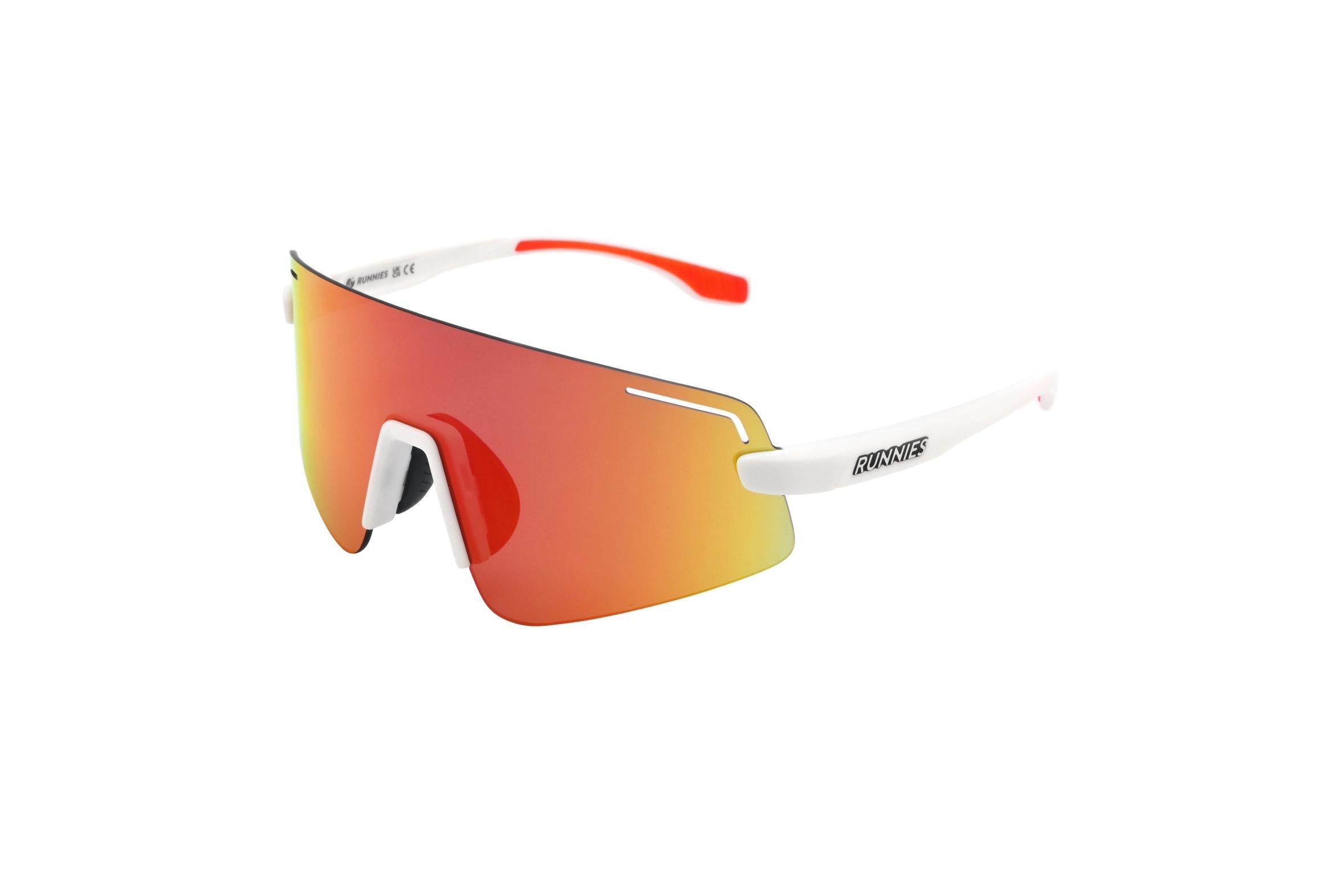
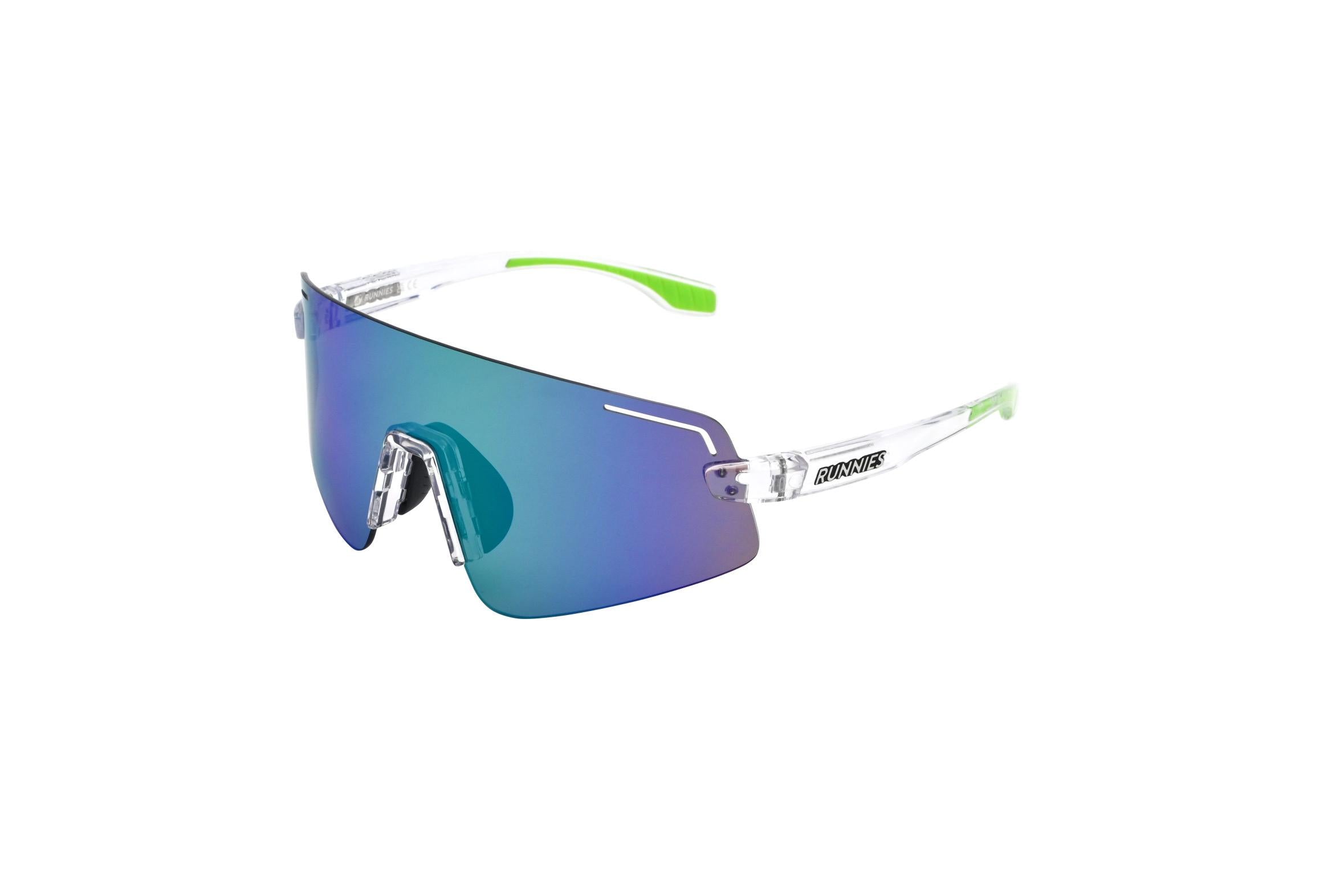
Reduces squinting, cuts glare from white pavement, and lowers facial muscle tension — which surprisingly lowers your perceived effort and core temperature.
Shop Glider Series →A Hydration Vest or Belt
Carrying 1L of fluid lets you actually execute the protocols above. Loops at Al Qudra or Mushrif have zero water stops — you bring it or you bonk.
Browse Gear →Light-Coloured Technical Fabric
White and light grey reflect heat. Loose-fit technical fabric pulls sweat off your skin so it can evaporate — the cooling mechanism the desert needs.
Browse Apparel →❓ UAE Hydration FAQ
Q: Should I drink ice-cold water on the run?
Yes. Cold fluids lower your core temperature faster and are absorbed at a similar rate to room-temperature drinks. Freezing half your bottle in advance is one of the simplest UAE summer hacks.
Q: Do I really need electrolytes for a 30-minute run?
Usually no — if you're well-hydrated going in. But if you're running back-to-back days in July and feel sluggish on day three, electrolytes through the day (not just on the run) are the missing piece.
Q: How do I know if I'm a "salty sweater"?
Look at your kit after a long, hot run. White crusty streaks on your shirt, hat, or face are crystallised salt — a tell-tale sign you need more sodium than the average runner. Some Dubai clinics offer formal sweat tests, but the salt-streak test is free and reliable.
Q: Can I just rely on isotonic supermarket drinks?
For short, moderate runs, yes. Most supermarket sports drinks are formulated for general activity, not desert endurance — they typically deliver only 200–300mg sodium per litre, half of what a UAE summer effort needs. Dilute, then add a pinch of salt.
Q: Does coffee count as fluid?
Yes — mostly. The diuretic effect of caffeine is mild and offset by the water in the cup. Just don't treat a flat white as your only pre-run drink in 38°C heat.
Q: How long does it take to heat-acclimatise in the UAE?
Around 10–14 days of consistent training in the heat. Your sweat rate goes up, your sweat becomes less salty over time, and your perceived effort at a given pace drops noticeably. Stick with it — week three is when summer running starts to feel possible.
Q: Is there a "too much" when it comes to drinking?
Yes — see the hyponatremia warning above. The old advice of "drink as much as possible" was retired years ago. Drink to thirst, with a sensible floor for long runs in heat, and pair every drink with sodium. Your body is smarter than you think.
Build the Kit That Lets You Run Through Summer
Caps that breathe. Eyewear that cuts the glare. Apparel built for moving heat off your skin — not trapping it.
Running in the UAE is a different sport from running anywhere else. The athletes who thrive here aren't the ones with the highest mileage — they're the ones who respect the heat, work with their bodies, and treat hydration as a discipline. Print this guide. Stick it on the fridge. And we'll see you out there at dawn.
This article is intended as general guidance for healthy adult runners. If you have a heart condition, kidney condition, blood pressure issue, or are pregnant, talk to your doctor before changing your hydration or salt intake.