

If you've tried running through a Dubai summer using a training plan written for European weather, you already know how it ends. You cut the run short, feel off for two hours afterwards, and start wondering if you should just sign up to a treadmill gym until October.
Heat in the Gulf changes what your body can and can't do, and it needs a different approach. This guide covers what we've learned from running, racing, and kitting out athletes across the UAE. It's the version without the safety-first disclaimers copy-pasted from US running magazines.
Why Gulf Heat Breaks Normal Training Plans
Your body has one job when you run. Move muscles, get oxygen to them, move waste away. All of that generates heat, and your body has to shed that heat to keep working.
In a UK spring, shedding heat is easy. Air is cool, so heat leaves your body through your skin, you sweat a bit, wind evaporates it, done.
In Dubai in July, the air is hotter than your skin. Heat gets added to your body rather than leaving it. Sweat is your only cooling mechanism, and when humidity on the coast hits 80%, that sweat isn't even evaporating. It's just pooling on you.
Your body responds by redirecting blood to the skin to try to cool off, which means less blood for your muscles and less oxygen getting to the work. Your pace drops, your heart rate spikes, and you feel terrible at efforts that should feel easy.
The Bottom Line
That's physics. Your body produces heat faster than the environment can take it away, and the ceiling on how much heat you can dump sets the ceiling on how hard you can run.
Most training plans written outside the Gulf assume your body can dump heat at the rate it's producing it. When that assumption breaks, the plan breaks with it. You can't run the same paces, you can't handle the same volume, and recovery takes longer because your body is already working overtime.
Runners who figure this out early stop measuring their summer training against their winter numbers. They treat it as its own thing, with its own targets.
The 10 to 14 Day Rule: How Acclimatisation Actually Works
Your body adapts to heat faster than almost anything else in training, which works in your favour.
The rough rule is 10 to 14 days of consistent heat exposure before you start running well in it. During that window, a few things happen. Your blood plasma volume increases, so you've got more fluid to work with. Your sweat rate goes up, and the sweat itself becomes more dilute (less salt loss per litre). Your heart rate at a given pace drops. Your body starts to function in conditions that felt impossible on day one.
Most runners who move to Dubai from cooler climates underestimate how much this matters. They try to hold their London paces in week one and conclude they've lost fitness. They haven't lost anything. They're un-acclimatised, which looks the same on the outside but is a completely different problem to solve.
If you're new to UAE heat or coming back after a summer abroad, the sequence that works is this:
- Run at easy effort only for the first 7 days. No intervals, no tempo work.
- Keep runs short, 30 to 45 minutes, for that first week.
- Go outside at the same time each day so your body gets consistent exposure.
- Don't blast the air conditioning the moment you get back. Let your body cool naturally for 10 to 15 minutes first.
By day 10, you'll feel a noticeable shift. The same pace feels easier, your heart rate settles lower, and you can start adding structure back into your week.
Worth Knowing
If you travel out of the Gulf for more than a week (summer holiday, work trip to Europe), you lose acclimatisation fast. Budget a re-adaptation week when you get back. This catches out seasoned runners every year.
What to Wear When It's 42°C and the Sun Is Out
Every runner has their own kit, but a few rules apply across the board in Gulf summer.
Fabrics that actually work
Lightweight, loose, and light-coloured beats everything else. The darker and tighter your kit, the more heat your body absorbs and traps.
Technical polyester and nylon blends wick sweat faster than cotton, though any marketing copy claiming "cooling technology" should be read with scepticism. Fabric can't actually cool you below ambient air temperature. What good kit does is move sweat off your skin fast so it has a chance to evaporate in whatever breeze you've got.
Mesh panels on the back and under the arms are worth the extra spend. They vent where your body is hottest.
Headwear
A cap or visor matters more than most runners think. Direct sun on your head is a significant contributor to overheating, and a white or light-coloured cap reflects a chunk of that back.
Cap or visor comes down to whether you want full head coverage or airflow off the top. Most UAE runners end up with both in rotation depending on the route and time of day.
Eyewear is not optional here
UV exposure in the Gulf is extreme. The sun is higher in the sky for more of the year than in most other parts of the world, and reflective surfaces (concrete, asphalt, sand, water) amplify what's already intense direct light. Your eyes take the hit if you don't protect them properly.
Running sunglasses have a few specific jobs:
- UV400 protection that blocks 99 to 100% of UVA and UVB
- A frame that doesn't slip when you sweat through it
- Lightweight construction so you forget you're wearing them mid run
- Lens tint that handles variable light (early morning starts, shaded trail sections, sunrise and sunset)
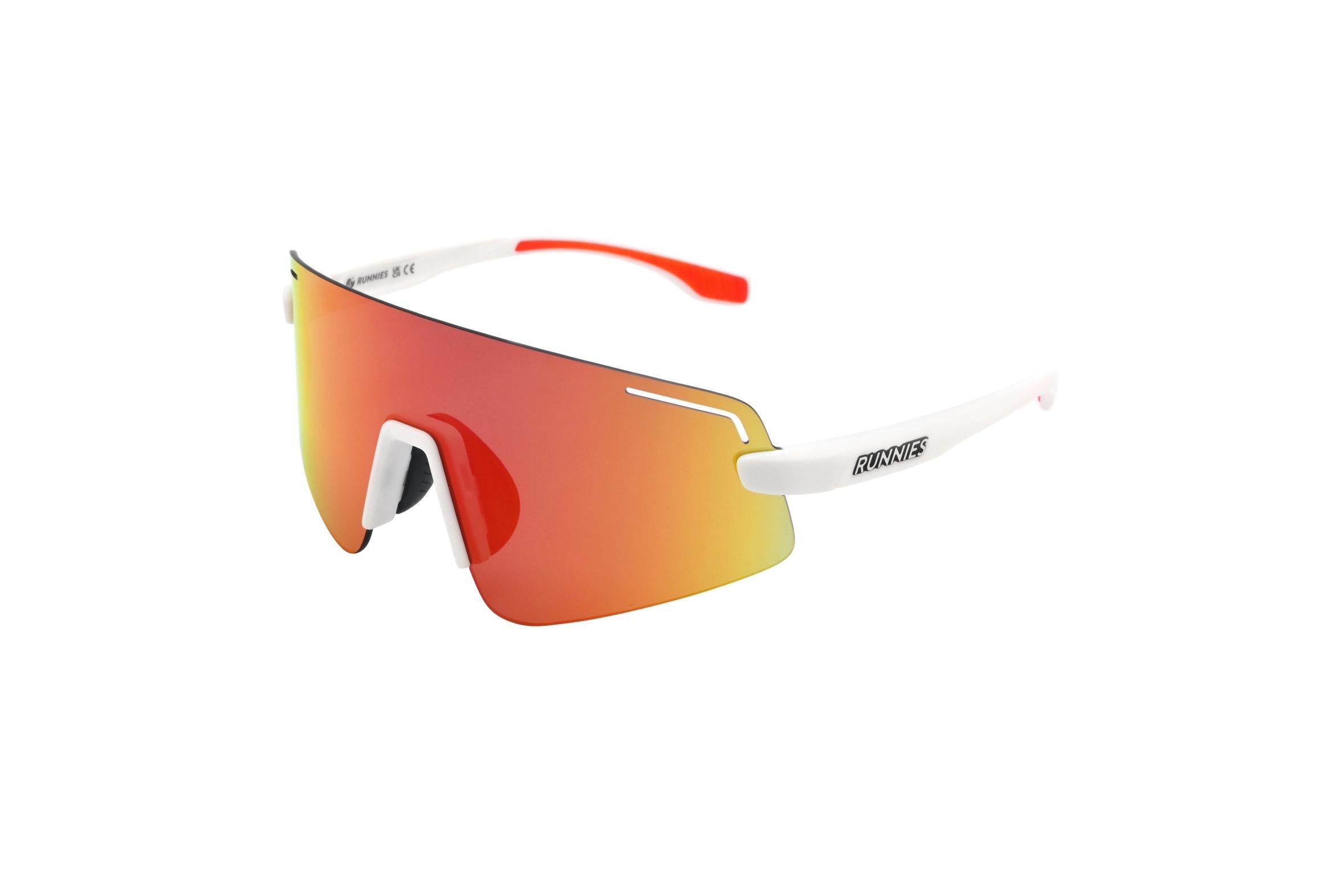
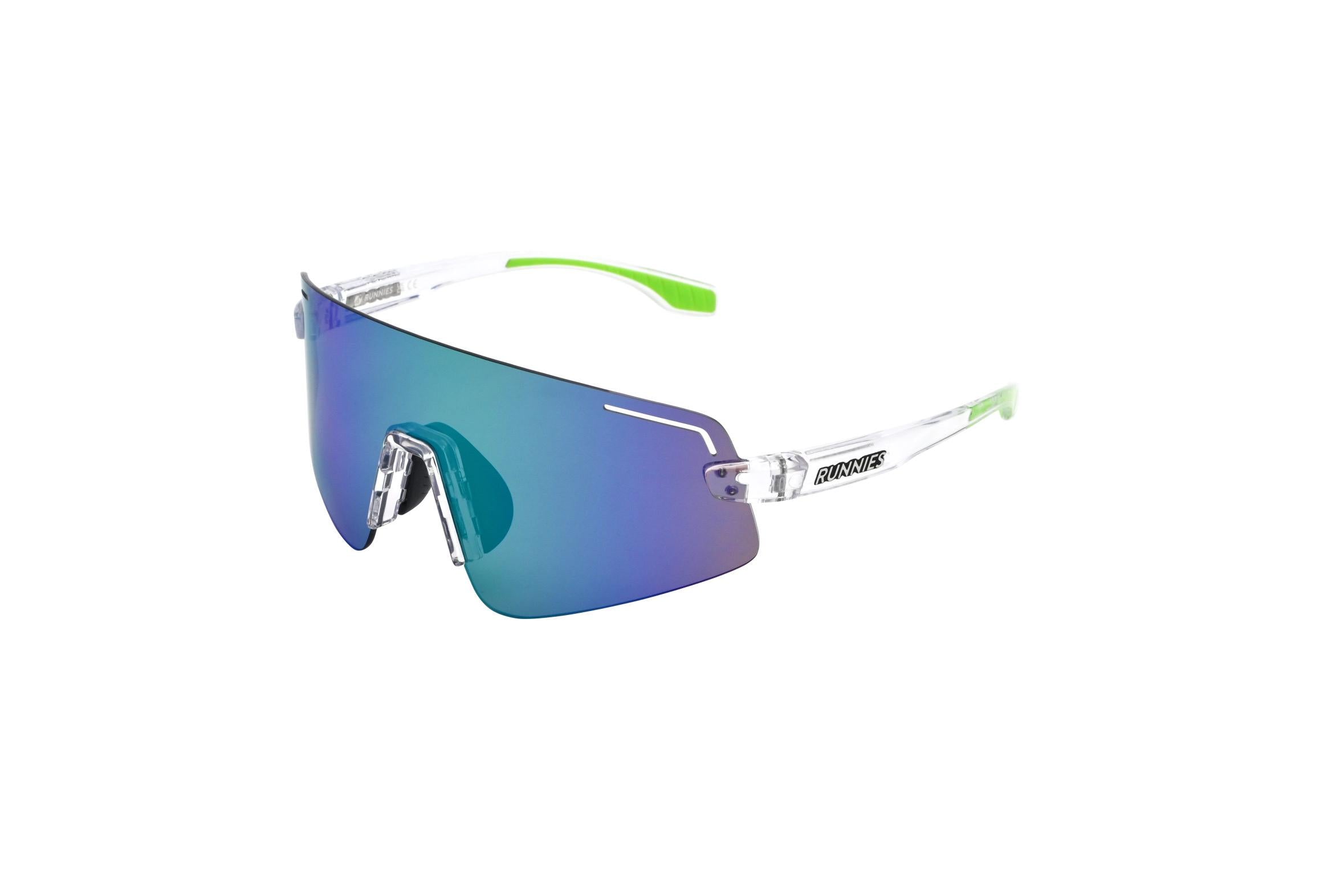
For that last point, photochromic lenses that adjust automatically are worth the upgrade. You stop having to choose between "too dark at 5am" and "not dark enough at 9am." We designed our PACER series around exactly these conditions, and any eyewear built for Gulf running has to solve these problems or it's going to frustrate you out on the road.
Shoes
Not directly heat related, but worth flagging. Road surfaces in the UAE get hot enough to transfer heat through thin soles. Runners in very minimalist shoes sometimes report foot discomfort on midday runs that isn't from impact, it's from road heat coming through. If you run minimalist, consider a slightly thicker shoe for the summer months.
Hydration: The Math Is Different Here
This is where runners get into the most trouble. UAE sweat rates are significantly higher than temperate climate averages, and standard hydration advice undershoots what you actually need.
Pre-run
Start hydrated. Drink 500 to 600ml of water with electrolytes about 2 hours before you run. That gives your body time to process it so you're not running with a sloshing stomach. For early morning runs, drink when you wake up and give it 30 to 45 minutes before heading out.
During the run
Anything over 45 minutes in UAE summer conditions needs fluid on board. The rough guide is 500 to 750ml per hour for most runners, with some tolerance up or down based on body size and sweat rate.
Water alone doesn't cover what you need, because you're losing significant sodium through sweat (UAE runners can lose 1 to 2g per hour on hot runs), and replacing it matters. Electrolyte tablets, sports drinks, or salt capsules all work. Pick the one you'll actually use consistently.
For runs over 90 minutes, add carbohydrates. Gels, chews, or sports drinks with carbs. Aim for 30 to 60g of carbs per hour to keep your energy steady.
After the run
Keep drinking for 2 to 3 hours after you finish. A rough target is 150% of what you lost, because some of what you drink passes through without being absorbed. If you want to nerd out on it, weigh yourself before and after a long run. Each kilogram lost is roughly one litre of fluid to replace.
Humid coast vs dry inland
Sweat behaves differently in Dubai (humid coastal) compared to Al Ain or Liwa (dry inland). In humid air, sweat doesn't evaporate well, so your body keeps producing more to try to cool down. You end up losing more fluid overall.
In dry air, sweat evaporates fast so you might not feel as sweaty, but you're still losing it. That's how runners in dry heat get caught out. They don't feel the loss until they're already in trouble.
Rule of Thumb
On the humid coast you'll notice you're sweating, so trust your thirst and keep drinking. Inland in dry heat, ignore how you feel and drink on schedule.
When to Run: Month by Month
Not every month is the same, and smart UAE runners plan their training around the calendar.
Oct to Mar
The Season. Mornings 18 to 25°C. Race calendar packed. Volume up, intensity up, chase PBs. Most UAE marathoners peak in January or February.
April
The Turn. Temperatures climb fast. Shift long runs earlier. Move track or tempo work to evenings where you can.
May to Sep
Survival Mode. Hold base mileage at reduced pace. Treadmill for quality work. Run outside 4 to 5am or after 9pm.
September
The Return. Temperatures ease in the last two weeks. Start building volume again. Rebuild intensity through October.
You're not setting PBs in a UAE summer. Your training goal is to maintain fitness, not build it. Runners who accept that stay healthy. Runners who fight it either get injured or burn out.
Temperatures on the coast sit between 35 and 42°C during the day and rarely drop below 30°C at night in July and August. Humidity on the coast makes it feel worse. Inland is hotter but drier.
If you're aiming at a winter race, September is when to start building volume again. Give yourself October to rebuild intensity before the first races in November.
Warning Signs You Need to Stop
Heat illness is real, and it escalates faster than most runners expect. Learn these signs and respect them when they show up.
Heat Cramps
Painful muscle spasms that usually hit your calves, quads, or abs first. These are your body's earliest warning sign. Stop running, get in shade, drink an electrolyte solution, and end the session. Trying to push through them turns a minor problem into a bigger one.
Heat Exhaustion
The symptoms to watch for:
- Heavy sweating that suddenly slows or stops
- Dizziness, headache, or nausea
- Skin that feels cool and clammy
- A pulse that's fast but weak
- Confusion or disorientation
At this point you need to stop immediately, get to a cool place, remove layers, and drink slowly. If symptoms don't improve in 30 minutes, call for help.
Heat Stroke (Medical Emergency)
Heat stroke is a medical emergency and needs to be treated as one. The signs:
- Core body temperature over 40°C
- Skin that feels hot and dry because sweating has stopped
- Confusion and poor coordination
- Possible seizures or loss of consciousness
Call an ambulance immediately. Get the person into shade, remove clothing, and cool them with any water and fanning you can manage while waiting for help to arrive.
The jump from heat exhaustion to heat stroke can happen in minutes. If you suspect heat exhaustion and you're running alone in the middle of Al Qudra at noon, you're in a genuinely dangerous situation. Have a plan for getting home that doesn't rely on you running the whole way back.
A few practical safety notes
- Always run with your phone and ID on long runs
- Share your route with someone before you head out
- Know where water fountains and shops are on your regular routes
- Don't run solo on remote trails in summer
The Short Version
If you only take three things from this guide
Do these and the rest takes care of itself.
Your body adapts, but it takes 10 to 14 days. Don't expect to run like it's winter in July. Ease in, stay consistent, and trust the process.
Hydration needs are higher here than standard advice suggests. Drink more, include electrolytes, and do it on a schedule.
The UAE running year has two seasons. Train hard October to March. Maintain May to September. Respect the calendar and you'll stay healthy for the long haul.
Running through a Gulf summer is about being smart with your training, your gear, and your timing. Plenty of UAE runners do it every year and come out the other side of summer stronger than they started.
Gear built for Gulf conditions.
UV400. Photochromic lenses. Engineered for UAE heat, sun, and sweat.