

How to Win the Burj To Burj Race
Your complete guide to conquering Dubai's most iconic half marathon, connecting two architectural marvels and achieving your personal best
The Burj To Burj Race is one of Dubai's most iconic running events, connecting two architectural marvels - Burj Al Arab and Burj Khalifa - in a challenging urban route that tests both speed and endurance. Whether you're a seasoned runner aiming for a podium finish or a first-timer looking to complete your first major race, this comprehensive guide will give you everything you need to win or at least achieve your personal best.
At RUNNIES, we've helped countless Dubai runners prepare for this race. From training strategies to gear selection, we'll share insider tips that can make the difference between finishing strong and hitting the wall. Let's dive into how to dominate the Burj To Burj Race.
Race Overview: What Makes Burj To Burj Special
🗺️ The Route
The Burj To Burj Half Marathon is a prestigious 21.1-kilometer race connecting two of Dubai's most iconic landmarks - starting at the stunning Burj Al Arab and finishing at the world's tallest building, Burj Khalifa. This challenging half marathon route winds through some of Dubai's most scenic areas:
The course combines flat stretches along the beach, slight inclines through urban areas, and the final push through Downtown Dubai. The finish line at the base of Burj Khalifa offers one of the most spectacular race finishes in the world.
Race Details
- Distance: 21.1 kilometers (Half Marathon)
- When: Typically held in February (2026 event: February 8, 6:30 AM start)
- Terrain: Paved roads, boardwalks, urban paths
- Elevation: Mostly flat with minor inclines
- Weather: Usually 18-25°C at start, warming up during the race
- Start Time: 6:30 AM (early morning to avoid peak heat)
⚠️ Why It's Challenging
While the distance might seem manageable, the Burj To Burj Race presents unique challenges:
- Urban heat island effect: Concrete and buildings trap heat, making it feel warmer than the temperature suggests
- Humidity: Coastal start means high humidity, especially in the morning
- Mental challenge: Long straight stretches can be mentally draining
- Competition: Attracts serious runners, making it competitive
- Timing: Early morning start requires careful pre-race preparation
Training Plan: 16-Week Countdown to Victory
📋 Training Note
For a half marathon, we recommend a 16-week training plan if you're building from a base, or 12 weeks if you're already running regularly.
Weeks 12-8: Base Building
Weekly Structure:
- Monday: Rest or easy 30-40 min run
- Tuesday: Tempo run (20-30 min at comfortably hard pace)
- Wednesday: Easy run (40-50 min)
- Thursday: Interval training (6-8 x 400m at 5K pace with 90s rest)
- Friday: Rest
- Saturday: Long run (75-90 min, easy pace - building to 12-15K)
- Sunday: Easy recovery run (30-40 min) or cross-training
Key Focus: Consistency over intensity. Build your weekly mileage gradually.
Weeks 7-4: Race-Specific Training
Weekly Structure:
- Monday: Rest
- Tuesday: Tempo intervals (3 x 10 min at race pace with 2 min recovery)
- Wednesday: Easy run (45-55 min)
- Thursday: Speed work (8-10 x 200m at mile pace with 60s rest)
- Friday: Rest or easy 30 min
- Saturday: Long run with race pace segments (e.g., 12K easy + 3-5K at race pace, building to 18-20K total)
- Sunday: Easy recovery (30-40 min)
Key Focus: Practice running at your target race pace. Include some training runs in similar conditions (early morning, urban routes).
Weeks 3-1: Tapering
Week 3: Reduce volume by 20%, maintain intensity
Week 2: Reduce volume by 40%, keep one tempo session
Week 1: Minimal running, focus on rest and mental preparation
- Monday-Wednesday: Easy 20-30 min runs
- Thursday: Short tempo (10-15 min at race pace)
- Friday: Rest
- Saturday: Easy 15-20 min shakeout
- Sunday: RACE DAY 🏁
💡 Essential Training Tips
- Train at race time: Do some runs at the same time as the race to adapt your body clock
- Practice hydration: Test your hydration strategy during long runs
- Heat adaptation: Include some runs in warmer conditions (safely)
- Route familiarity: If possible, run parts of the actual route before race day
- Gear testing: Test all your race day gear during training runs
Race Day Strategy: Your Blueprint for Success
Pre-Race Preparation (24 Hours Before)
Nutrition:
- Eat familiar, easily digestible foods
- Stay well-hydrated (but don't overdo it)
- Avoid new foods or heavy meals
- Light dinner the night before
Gear Check:
- Lay out all gear the night before
- Check weather forecast
- Charge watch/GPS devices
- Prepare race day bag
Sleep:
- Aim for 7-8 hours of sleep
- Set multiple alarms
- Prepare everything so you can sleep in a bit
Race Morning Routine
3 Hours Before Start:
- Wake up and hydrate (500ml water)
- Light breakfast (banana, toast, or energy bar)
- Final gear check
- Apply sunscreen
1 Hour Before Start:
- Arrive at race venue
- Warm-up: 10-15 min easy jog + dynamic stretches
- Final bathroom break
- Get to starting corral 15 minutes early
Pacing Strategy
First 5K: Controlled Start
Resist the urge to go out fast. The excitement and crowd energy can make you run 10-15 seconds per kilometer too fast. Start at your target pace or even 5 seconds slower. For a half marathon, negative splitting (running the second half faster) is the goal.
5K-15K: Find Your Rhythm
This is where you settle into your race pace. Focus on form, breathing, and staying relaxed. The Marina and coastal sections can be mentally challenging - stay focused and maintain consistent effort. Don't push yet - save energy for the final push.
15K-21.1K: Push to the Finish
As you approach Downtown Dubai and see Burj Khalifa, it's time to push. Increase effort gradually. If you've paced correctly, you should have energy left. The finish line energy and seeing the world's tallest building will carry you through the final kilometers.
🧠 Mental Strategy
- Break it down: Think of the race in 3K segments, not the full distance
- Positive self-talk: Prepare mantras like "Strong and smooth" or "One step at a time"
- Visualize success: Picture yourself crossing the finish line strong
- Stay present: Don't think about how far you have left - focus on the current kilometer
Dubai-Specific Challenges & Solutions
🌡️ Heat Management
Even in "cooler" months, Dubai's urban heat can be intense:
- Start hydrated: Begin hydrating 2-3 days before the race
- Use water stations: Don't skip them, even if you don't feel thirsty
- Pour water on yourself: Many elite runners pour water on their head/neck to cool down
- Wear light colors: Light-colored, moisture-wicking clothing
- Protect your eyes: Quality sunglasses are essential
💧 Humidity Factor
The coastal start means high humidity, which makes cooling harder:
- Accept slower pace: Humidity can add 10-15 seconds per kilometer to your time
- Focus on effort, not pace: Your perceived effort is more important than your watch
- Stay cool: Use every opportunity to cool down (water stations, shade)
🏙️ Urban Running Considerations
- Concrete impact: Paved surfaces are harder on joints - ensure proper footwear
- Air quality: Urban areas can have higher pollution - consider a mask if sensitive
- Visual distractions: The stunning views can distract from pacing - stay focused
Essential Gear: What You Need to Win
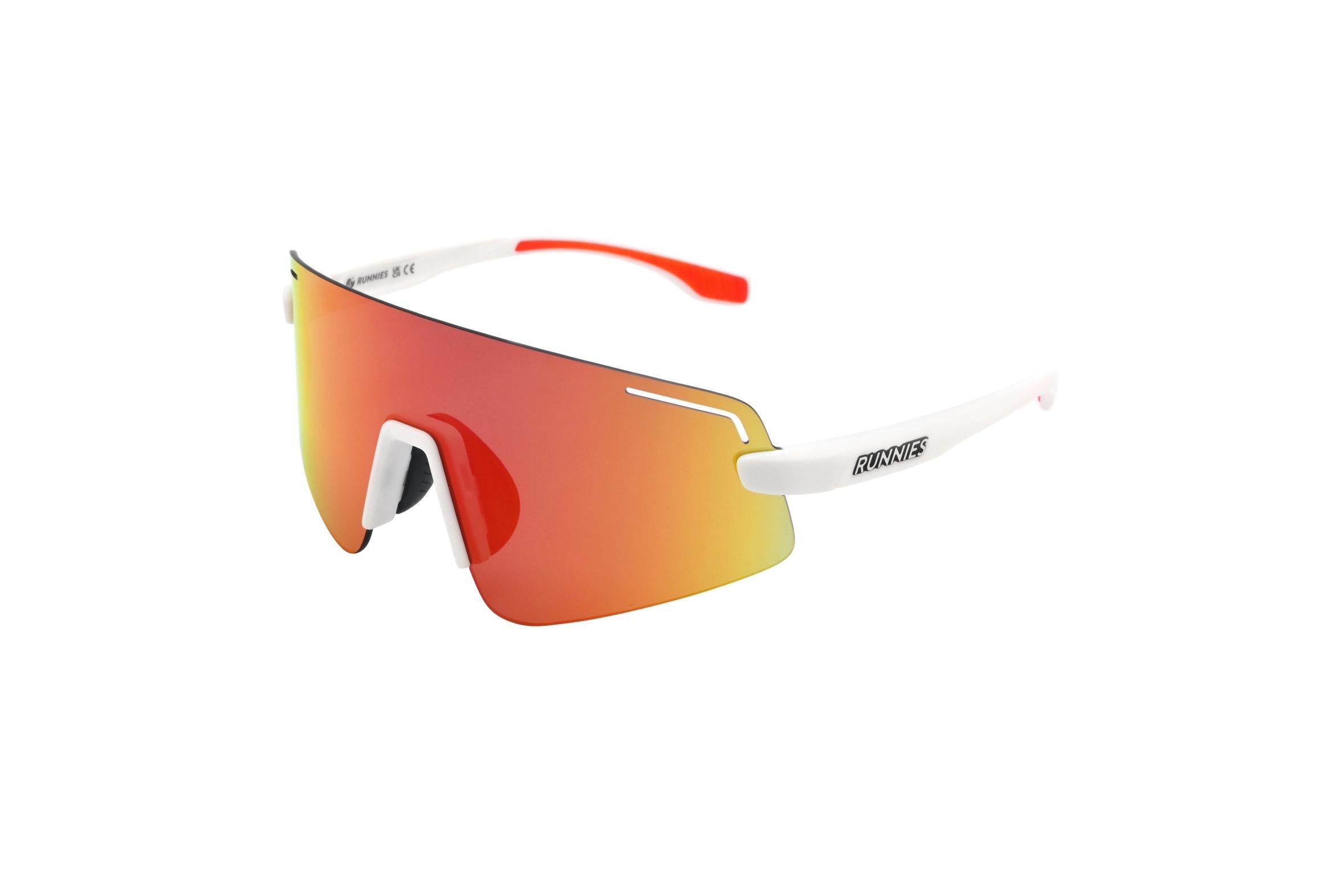
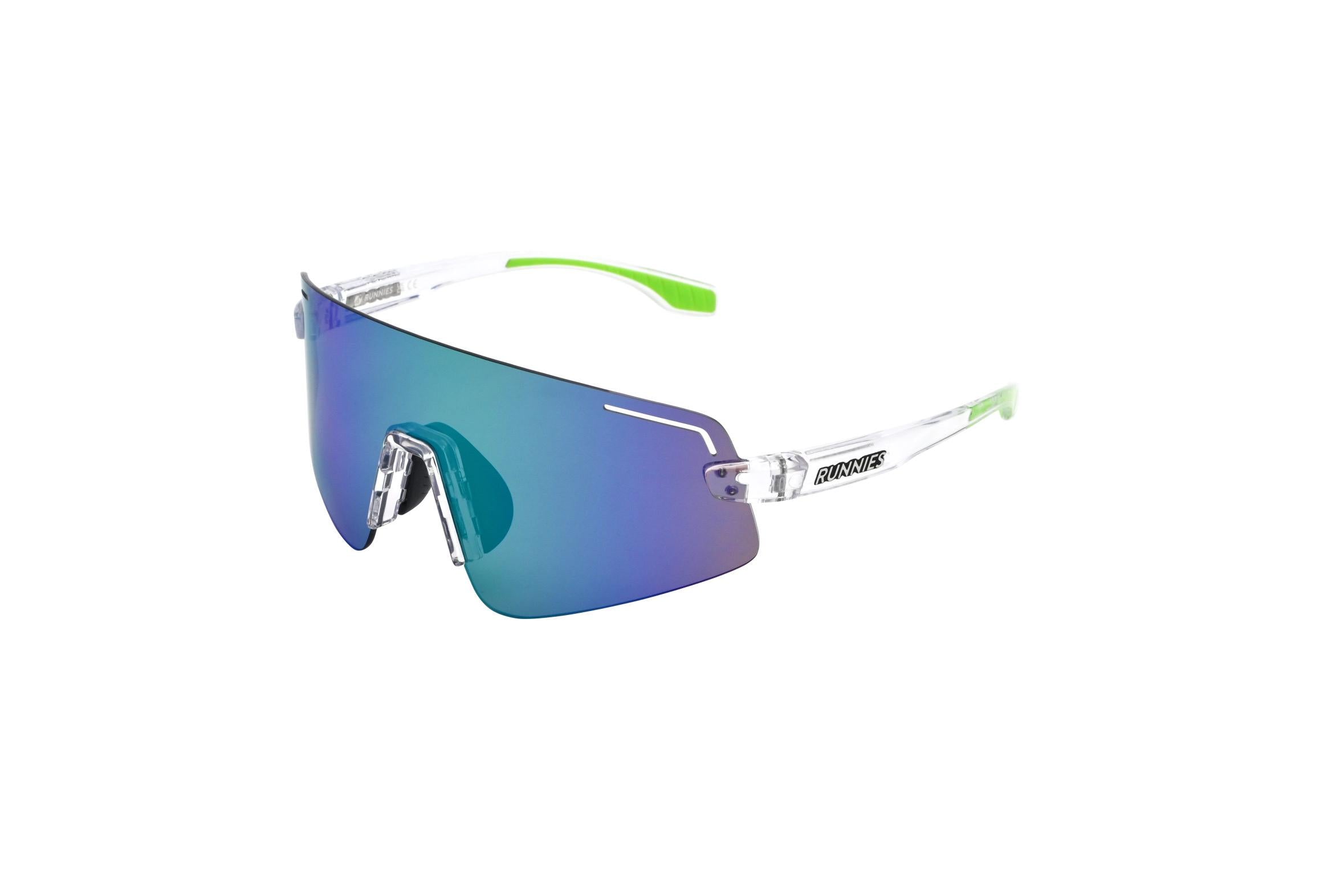
🕶️ Sunglasses: Your Secret Weapon
In a race like Burj To Burj, where you're running directly into the rising sun and dealing with reflective surfaces (water, buildings, roads), proper eye protection isn't optional - it's a performance advantage.
Why Sunglasses Matter for This Race:
- Reduced eye strain: Less squinting = more energy for running
- Better visibility: Polarized lenses eliminate glare from water and buildings
- UV protection: Even morning sun in Dubai has high UV index
- Mental clarity: Clear vision helps with navigation and pacing
Recommended: GLIDER SERIES
For a race like Burj To Burj, we recommend the GLIDER SERIES with polarized lenses. Here's why:
- Lightweight design: Won't bounce or slip during intense effort
- Polarized lenses: Essential for the coastal start and reflective urban surfaces
- Secure fit: Stays put even when you're sweating heavily
- Ventilation: Prevents fogging in high humidity
- Aerodynamic: Minimal wind resistance
Alternative: NOVA COLLECTION
If you prefer a classic look, the NOVA COLLECTION offers excellent protection with timeless style. Perfect for runners who want reliable performance without the sporty aesthetic.
Other Essential Gear
- Moisture-wicking clothing: Light colors, technical fabric
- Proper running shoes: Tested and broken in (never new on race day)
- GPS watch: For pacing and navigation
- Hydration belt or handheld: If you need water between stations
- Hat or visor: Additional sun protection
- Sunscreen: SPF 50+, applied before the race
Common Mistakes to Avoid
❌ Mistake 1: Going Out Too Fast
The Problem: The excitement and crowd energy causes you to start 20-30 seconds per kilometer faster than your target pace.
The Solution: Start 5-10 seconds slower than your target pace for the first kilometer. You'll make up the time later when others fade.
❌ Mistake 2: Neglecting Hydration
The Problem: Thinking you don't need water because it's "only" 10-15K or because it's morning.
The Solution: Start hydrating 2-3 days before. During the race, take water at every station, even if just a sip.
❌ Mistake 3: New Gear on Race Day
The Problem: Wearing new shoes, clothes, or gear that hasn't been tested.
The Solution: Follow the golden rule: "Nothing new on race day." Test everything in training.
❌ Mistake 4: Ignoring Weather Conditions
The Problem: Not adjusting pace or strategy for heat and humidity.
The Solution: Accept that conditions will slow you down. Focus on effort, not pace. Adjust your time goals if needed.
Expert Tips from Dubai Runners
💡 Tip 1: Train the Route
If possible, run sections of the actual route during training. Familiarity with the course eliminates surprises and helps with mental preparation.
💡 Tip 2: Early Morning Training
Do your long runs at the same time as the race (usually early morning). This helps your body adapt to running at that time of day.
💡 Tip 3: Heat Acclimatization
Include some training runs in warmer conditions (safely, with proper hydration). Your body will adapt better to race day conditions.
💡 Tip 4: Visualize the Finish
Picture yourself running strong past Burj Khalifa. The mental image of success can be a powerful motivator when things get tough.
💡 Tip 5: Trust Your Training
By race day, the work is done. Trust your training, stick to your plan, and enjoy the experience. Overthinking can hurt performance.
Frequently Asked Questions
A: This depends on your goals and experience level. Elite runners aim for sub-70 minutes. Competitive age-group runners target 80-90 minutes. For most recreational runners, finishing under 2 hours is a great goal, while first-timers should focus on finishing strong. Remember: your personal best is what matters, not others' times.
A: Not necessarily. For a half marathon, your longest training run should be 18-20K at an easy pace. Most of your training should be shorter, faster intervals and tempo runs. The race day adrenaline, taper, and crowd support will carry you through the final kilometers.
A: Adjust your sleep schedule gradually in the week before. Wake up earlier each day. On race morning, give yourself plenty of time - arrive 60-90 minutes early to avoid stress and allow for proper warm-up.
A: Adjust your goals. Heat and humidity can significantly impact performance. Focus on finishing strong rather than hitting a specific time. Stay hydrated, slow down if needed, and listen to your body.
A: Absolutely. Even at 6-7 AM in Dubai, the sun can be intense, especially with reflective surfaces. Quality sunglasses reduce eye strain, improve visibility, and can actually improve performance by reducing squinting and fatigue. Plus, you'll look great in your finish line photos!
Your Path to Victory
Winning the Burj To Burj Race - whether that means a podium finish or achieving your personal best - comes down to preparation, strategy, and execution. Follow this guide, trust your training, and remember: every elite runner was once a beginner.
The route from Burj Al Arab to Burj Khalifa is more than just a race - it's a journey through Dubai's most iconic landmarks. Enjoy the experience, stay focused, and finish strong.
Questions about training or gear? Our team at RUNNIES is here to help. We've supported countless runners through this race and know what works.
See you at the finish line. Let's make this your best race yet. 🏃♂️🕶️